
Advertise Your Event in the USA: a practical guide for entertainment vibes
A clear checklist for promoting events in the USA, with steps, pitfalls to avoid, and practical tips for readers in movies, music, TV and games.

You’re planning an event and want the right audience in the United States. This guide gives you a practical, no-nonsense checklist you can apply today, without jargon. You’ll learn what to do first, how to choose the right channels, and why timing matters for entertainment events.
First, set a clear objective for your event—number of attendees, press attention, or social buzz. Then identify the audience that cares about your genre, whether it’s indie film fans, game livestream viewers, or concertgoers. Finally, pick one or two core channels to start with so you aren’t spread too thin.
As you move through the steps, you’ll compare options, anticipate common mistakes, and build a simple plan you can execute within a week. The focus is on concrete actions, not vague promises. You’ll finish with a practical checklist you can reuse for future events.
- Plan with a clear goal and two core channels.
- Design visuals and copy that are easy to share and understand.
- Test ideas quickly and reallocate based on results.
- Keep pages fast, accessible, and free of errors for fans.
Foundations first
Define the objective and audience
Begin with a precise goal for attendance or attention, then map who would care most about your event. Consider genre, location, and the type of experience—live performance, screening, or reveal. This clarity drives every later choice, from venue to timing. advertise your event in the USA is a phrase that appears in the first H2, part 1.
Outline a simple audience profile: age range, interests, and media habits. Use this profile to tailor messaging and visuals to what resonates. Avoid overreaching claims; be specific about what your event promises.
Keep a one-page brief handy for team members so everyone stays aligned. Revisit the brief as plans evolve to ensure actions serve the core goal.
- Set a single primary objective
- Describe the ideal attendee in 3 bullets
- Choose one or two core channels
- Keep messaging consistent across outlets
- Confirm the venue suits the expected crowd
How to present the event
Create compelling visuals and copy
Visuals should reflect the event’s vibe and audience expectations. Use bold headlines, clear dates, and a focal image that communicates genre. Copy stays concrete: what, where, when, and why it matters to fans. USA news appears in the second H2, part 1.
Test variations quickly with a small audience or trusted friends. Note which caption, color, or image triggers more engagement, then double down on the winning combination.
Consistency matters across posters, social banners, and ticket pages. A unified look makes your event feel legitimate and easier to share.
- Use a strong focal image
- Keep the date and venue clear
- Test one element at a time
- Align all formats to the same style
- Avoid clutter that distracts from the message
Choosing the right channels
Pick channels that fit your audience
Not all fans live on the same platforms. If your crowd skews younger, prioritize social clips and streaming platforms; for a festival crowd, local media and partnerships may pay off more. Choose two primary channels and allocate time to each. local business directory in the USA appears in the third H2, part 1.
- Choose two primary platforms relevant to your audience
- Schedule posts to avoid conflicts with major events
- Coordinate visuals and captions for each channel
- Review results after a short test period
Use a calendar to map what to post and when, avoiding clashes with other big events. Timing matters for maximizing reach and staying relevant in a crowded entertainment scene.
Track basic metrics like reach and saves rather than chasing vanity numbers. If a channel underperforms for your event type, reallocate effort rather than doubling down blindly.
- Select two core channels
- Coordinate posting times
- Monitor simple metrics
- Iterate based on feedback
- Pair paid with organic where possible
| Channel type | Engagement quality | Effort required |
|---|---|---|
| Social clips | High | Medium |
| Local partnerships | Medium | Low to medium |
| Paid ads (targeted) | Variable | High |
Neglecting the event page’s usability—slow loading times, broken links, or unclear ticketing—turns interested viewers away.
Pitfalls to avoid
Watch for common missteps
Assuming broad reach equals success can waste time and money. Focus on the subset of fans who will actually engage, tagging posts to reach them efficiently. Budget small, test, then scale carefully. USA classified ads appears in the fourth H2, part 1.
Neglecting the event page’s usability—slow loading times, broken links, or unclear ticketing—turns interested viewers away. Ensure the page is mobile-friendly and error-free.
Overlooking local rules, permits, or press contacts can derail momentum. Verify what you need to run the event publicly and who can speak on it for coverage.
- Overinvest in broad channels
- Ignore the event page experience
- Skip local compliance
- Delay outreach to press
Post-event follow-up
Engagement after the event
Reach out to attendees with a brief thank-you message and a recap of highlights. Include clear next steps, such as where to find photos or how to RSVP for the next edition. This keeps momentum and turns interest into closer connections with fans. funeral notices in the USA
- ☐ Draft a thank-you note
- ☐ Attach a short recap video or photo gallery
- ☐ Outline next event date and how to stay informed
- ☐ Request feedback via a simple survey
Use social posts and emails to share measurable outcomes, like attendance ranges or media coverage, without promising exact numbers. People respond to authenticity, so acknowledge any hiccups and how they were addressed.
Follow up with sponsors or partners to deliver on promised visibility, such as taglines, photos, or post-event mentions. A concrete timeline helps maintain trust and paves the way for future collaborations.
- Send a thank-you email within 48 hours
- Offer downloadables: photos, set lists, or recap video
- Tag partners and guests in follow-up posts
- Ask for feedback to guide next event
Media and influencer outreach
Outreach strategy and targets
Define a small, relevant list of outlets and creators who align with the event’s vibe. Tailor pitches to show what’s in it for the audience, not just what’s exciting about the event. Keep messages concise and easy to scan.
Provide shareable assets: one-sheets, high-res images, and a clear quote or sound bite. Influencers respond when they can post with minimal effort and a genuine angle.
Track responses and adjust your approach. If a journalist isn’t interested in a two-paragraph angle, offer a different hook or a visual asset that fits their format.
- Identify 5-8 potential outlets
- Prepare a one-page media kit
- Offer exclusive or early access content
- Respect editors’ time with concise pitches
Budgeting and ROI
Costs and potential returns
List essential line items and assume a conservative range for each. Include venue, talent, marketing, and logistics, then add a contingency. This helps keep expectations realistic and prevent overspending.
Match spend to outcomes by defining what success looks like—tickets sold, social engagement, or media mentions. Tie each line item to a measurable goal from the outset.
Review results against the budget after the event and note what paid off. Use that data to adjust future allocations and avoid repeating wasteful choices.
- Set a ceiling for ad spend
- Create a simple ROI metric
- Account for taxes and fees
- Reserve a small contingency fund
Long-term planning for next event
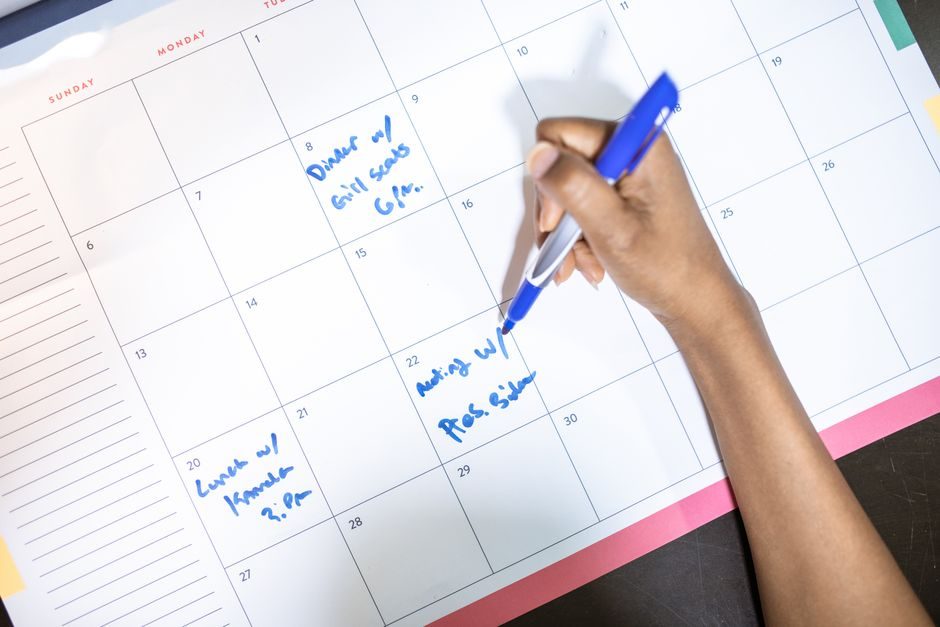
Building a repeatable plan
Create a template for check-ins and milestones so teams don’t reinvent the wheel each time. A predictable cadence reduces stress and keeps the project on track. Include a clear handoff for new team members.
Develop a calendar that spaces pre-event tasks across weeks or months, with owner assignments and deadlines. This helps prevent bottlenecks and last-minute scrambles.
Incorporate audience feedback from the current edition to shape the next one, whether it’s the venue, lineup, or pacing. A data-informed approach keeps the event fresh without losing its core vibe.
- Set recurring milestones
- Assign clear owners
- Schedule pre-event rehearsals
- Incorporate feedback into planning
Frequently asked questions
What’s the best way to start advertising a new event in the USA?Begin with a clear target audience and a simple, compelling message. Pair that with a lightweight media kit and a few high-quality visuals to spark interest. Prioritize channels your audience already uses.
How far in advance should you start outreach?Three to six weeks before the event generally provides enough time for planning, outreach, and adjustments based on early feedback. Flexibility helps if questions come up.
What metrics demonstrate success beyond ticket sales?Look for engagement like comments and shares, earned media mentions, and post-event sentiment. Tie these signals to your initial goals to guide future planning.
What’s a common outreach pitfall to avoid?Overpromising results and sending generic pitches. Stay specific, timely, and respectful of editors’ and creators’ schedules.
Conclusion
Takeaways: A practical, repeatable plan delivers reliable results. Start with a lean budget, a targeted media list, and a clear post-event follow-up to keep momentum.
Next steps: Lock in a date, craft starter pitches, and collect attendee feedback to shape the next edition. Build a steady rhythm that grows with your audience.
Add Congo News as a preferred source on Google


