
How Good Is DR Congo’s Football Team? A Fan’s Guide
A practical guide to judging DR Congo’s Leopards: what their results reveal, how to follow team coverage, and which strengths and limitations matter.

DR Congo’s Leopards are a strong, competitive national side, but one result cannot tell you how good they are. Their quality is clearest across a run of matches: look at the level of opposition, consistency, organisation and ability to create chances. They can trouble top African teams, while changes in form and execution make their level harder to pin down.
For supporters, the most useful approach is to read scorelines alongside match context. A narrow loss to a leading opponent may reveal more than a big win against a weaker side, especially when you consider chances, defensive pressure and the players available.
This guide offers a checklist for judging the team, finding reliable coverage and identifying strengths that can influence a match. It also explains why rankings and isolated results can give an incomplete picture.
- Judge the Leopards across several matches, not by one score or ranking.
- Consider opposition, player availability, chance creation and defensive organisation.
- Use confirmed team news and full match reports to add context.
- Watch how pace, transitions and set pieces affect each performance.
What makes the Leopards difficult to assess
Results need their context
A scoreline shows the outcome, not the full level of a performance. When the Leopards win, check whether they controlled possession, created clear chances and handled pressure; when they lose, ask whether the opponent’s quality or a short spell of mistakes decided the match. Those details help separate a poor display from a close contest.
The strength of the opposition matters just as much as the final score. A draw against an organised side may reflect a disciplined performance, while a win against a lower-ranked opponent may leave questions about defending or chance creation. Compare matches against teams with similar styles and quality rather than treating every result as equal evidence.
Availability can change what the team is capable of showing. Injuries, suspensions and late withdrawals may disrupt combinations, particularly in defence or midfield, where understanding between players helps a side stay compact. Before judging a performance, check who started, who was missing and whether the coach had realistic alternatives on the bench.
Form shifts between fixtures
National teams often have less time to build cohesion than club sides because players arrive from different leagues and meet for limited preparation periods. That can affect pressing, defensive timing and the speed of passing combinations. A team may look settled in one window and less connected in the next without its underlying talent changing.
The calendar also shapes what a result means. A friendly can be used to test players or combinations, while a competitive qualifier may demand a more cautious approach. Look at the match’s purpose before comparing performances, and avoid assuming that a changed line-up signals a drop in quality or commitment.
A useful assessment follows a pattern across several games rather than reacting to one night. Note whether the Leopards repeatedly concede from similar situations, struggle to progress the ball or create chances from wide areas. If those issues recur against different opponents, they point to a more durable weakness than a single costly error.
How to judge the team beyond the scoreline
Read the match pattern
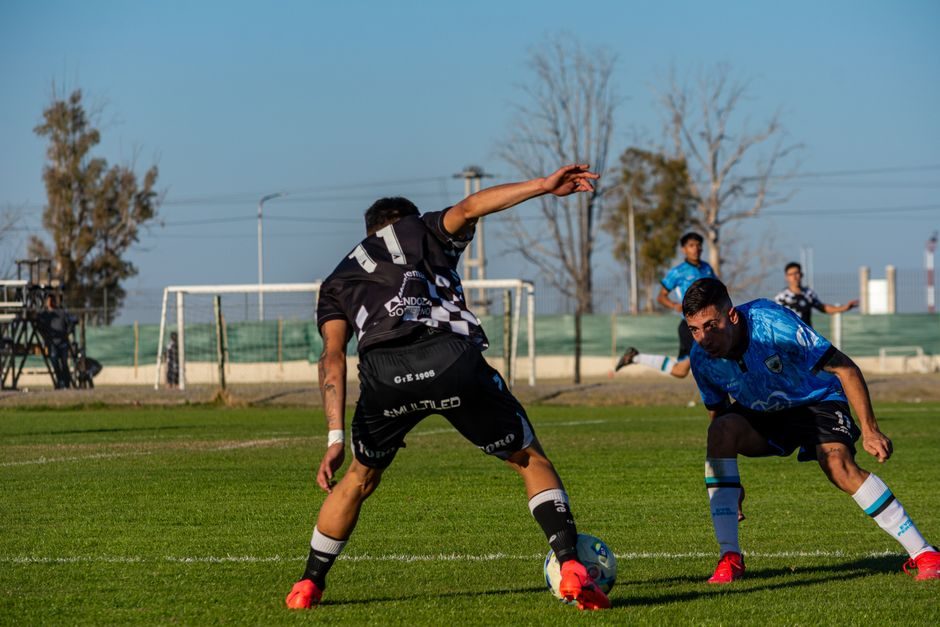
Start by asking how the Leopards reached the result. Did they win the ball in useful areas, move forward with purpose and turn possession into chances? A team can have plenty of the ball without threatening, while a side that defends deep may still create danger through quick counterattacks and effective transitions.
Watch how the team responds when its first plan is blocked. Strong sides can vary the route forward, switching play, using overlapping runs or finding a forward with direct passes. If attacks repeatedly stall in the same area, opponents may have identified a weakness that the Leopards need to solve during the match.
Defensive behaviour offers another clear measure. Look for whether players protect the space in front of the back line, track runners and stay organised after losing possession. A goal conceded does not automatically mean the defence was poor; the warning sign is repeated space for opponents to exploit or difficulty recovering after a turnover.
Compare evidence over time
Use a short run of fixtures to distinguish reliable strengths from one-off moments. Track whether the team keeps its shape, creates chances from more than one route and responds well after conceding. Repeated evidence matters because a single goal, penalty or red card can distort the apparent balance of a match.
Separate individual quality from team performance when reviewing highlights or reports. A forward’s excellent finish can decide a game even if the attack produced few openings, while a goalkeeper’s saves can conceal defensive problems. Consider how often the side reaches dangerous areas and whether those chances come from planned moves or isolated actions.
Match reports, full replays and official team updates each offer different evidence. Reports help establish key events and line-ups, while longer footage shows positioning and movement that a highlight package may omit. Check more than one account when details are disputed, and treat early team news as provisional until confirmed.
Where supporters can follow team coverage
Choose useful coverage
For team news, begin with match reports that include the result, competition, line-ups and major turning points. Then look for tactical detail, such as how the Leopards built attacks or adjusted after the break. Leicester Seo Services may be relevant to a sports publisher or club seeking to reach more readers and supporters online.
- Check the competition and fixture details.
- Confirm the line-up before kick-off.
- Follow live updates for key events.
- Read a full report after the match.
A live update is useful when you cannot watch, but it is not a substitute for a full account of the match. Follow confirmed line-ups, goals, substitutions and disciplinary decisions, then check a report afterwards for the sequence of play. This helps prevent a brief post or isolated clip from becoming your entire picture of the performance.
Supporters can also compare local, national and regional reporting to see which details are consistent. Give greater weight to confirmed squad news and direct match evidence than to unsourced predictions. When outlets disagree, check the competition or team’s official announcements for basic facts, then read analysis as interpretation rather than settled fact.
| Option | Best for | What to check |
|---|---|---|
| Live updates | Key events as they happen | Confirmed goals and changes |
| Match report | Result and turning points | Line-ups and match context |
| Full replay | Tactics and player movement | Patterns beyond highlights |
| Official announcements | Team and fixture facts | Whether news is confirmed |
Follow a match with purpose
Before kick-off, identify what is at stake and which players are available. Competition context can explain why a coach chooses a cautious formation or rotates the line-up. Knowing those basics makes it easier to judge the team’s approach without assuming that every selection change reflects a problem.
During the match, watch for a few repeatable details rather than trying to track everything. Notice whether the midfield can connect defence to attack, whether wide players receive the ball in space and how quickly the team regains its shape after losing possession. These observations give supporters a practical framework for discussing performance.
After the final whistle, compare your observations with a detailed report and the confirmed statistics available. Ask whether the match followed the pattern you expected, and note any change after substitutions or a tactical adjustment. This routine builds a clearer view of the Leopards over time than relying on instant reactions to the result.
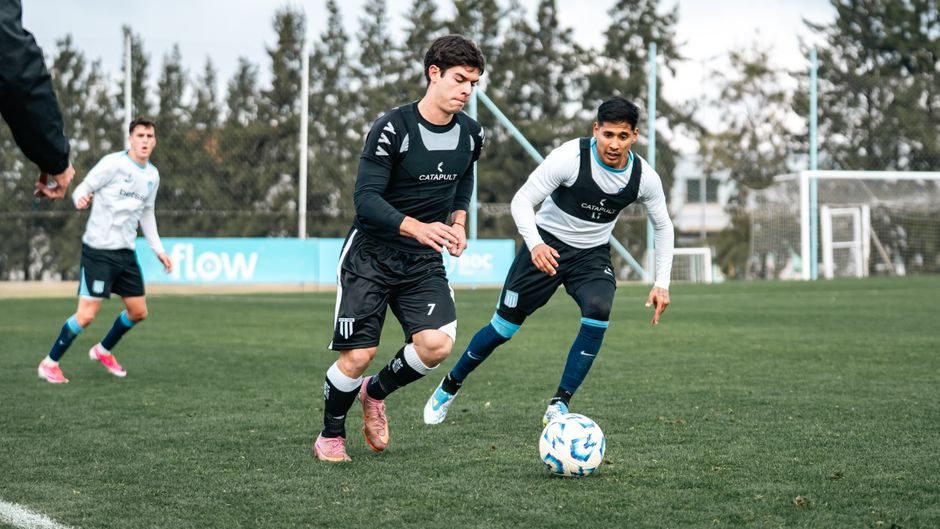
The Leopards can be dangerous when they turn a regain into a quick attack.
Strengths that can shape a match
Use pace and direct play
The Leopards can be dangerous when they turn a regain into a quick attack. Forward passes and runners moving into space can catch a defence before it settles, especially when the first player on the ball looks forward early. This approach is most effective when support arrives quickly rather than leaving the receiver isolated.
- ☐ Watch for quick forward passes after a regain.
- ☐ Check whether runners support the player on the ball.
- ☐ Notice if direct attacks create space for midfielders.
- ☐ See whether the team recovers shape when pressure fails.
Direct play does not mean sending every ball long. A well-timed pass behind the defensive line can make opponents retreat, opening room for midfielders to collect the next ball. Watch whether the team uses those runs to stretch the defence and create choices, or whether hopeful passes simply return possession to the opposition.
Speed can also help the team counter-press after losing the ball. Nearby players can close passing lanes and prevent an opponent from launching a counter of their own. If the first challenge is beaten, however, the rest of the team needs to recover together; otherwise the same aggressive move can leave dangerous gaps.
Build pressure from set pieces
Corners and free kicks can offer a route to goal when open play is tightly contested. Their value depends on delivery, movement and timing: attackers need to reach the ball with momentum, while teammates can occupy defenders or prepare for a loose ball. A well-organised set piece can test a defence even without producing a goal.
Set pieces also require attention at the other end. The Leopards must mark runners, protect the goalkeeper’s space and prepare for second balls after the initial clearance. If opponents repeatedly win headers or collect rebounds, the issue may be organisation rather than a lack of effort in open play.
Look for variety instead of judging delivery by one attempt. A short corner, a ball aimed toward the far post or a pass outside the area can force defenders to adjust their positions. When those options are coordinated, they make the team less predictable and can create openings for both the first attack and the follow-up.
Limits and pitfalls when judging form
Separate Form From One Result
A single result cannot tell you whether the Leopards are improving, because goals, errors and opposition quality can distort the picture. A late equaliser may hide a strong performance, while a narrow win may conceal problems in possession. Compare several matches and ask whether the same strengths and weaknesses keep appearing.
Check the conditions before drawing conclusions about a performance. An away match, difficult pitch, short preparation period or important absences can change how a team plays. These factors do not excuse every poor display, but they help explain why the same lineup may look different from one fixture to another.
Use a simple record after each match: note the opponent, venue, key absences and one clear observation about the team’s play. For example, record whether the Leopards created chances from open play or relied on set pieces. Reviewing those notes later makes patterns easier to spot than relying on a vivid memory of the final minutes.
- Record the opponent and venue.
- Note important absences.
- Write down one tactical observation.
Recognise Small Sample Limits
A short run of matches can suggest a trend, but it cannot establish one with certainty. A team may face unusually strong opponents in succession, or benefit from favourable matchups that do not recur. Treat claims about momentum as provisional until similar patterns appear against different styles of opposition.
Be cautious when judging a player or coach from limited minutes or a single tactical change. A substitute may look sharp against tired defenders, while a new formation may work because the opponent failed to press. Look for evidence across starts, substitutions and match situations before deciding that a change has solved a wider problem.
Avoid letting reputation do the work of analysis. Past tournament success can shape expectations, but it does not guarantee current form, and a disappointing result does not erase the team’s underlying quality. The most useful assessment distinguishes what the Leopards have shown recently from what supporters hope they can produce.
How to assess opponents and matchups

Compare Styles Before Kickoff
Start by asking how the opponent prefers to build attacks and defend, rather than judging only its name or reputation. A side that presses high may leave space behind its defence, while a compact opponent may force the Leopards to create chances patiently. Those differences shape which qualities matter most on match day.
Look for observable clues in recent coverage and match footage: whether the opponent uses wide attacks, commits players forward, or defends set pieces with a deep line. Then consider how the Leopards might respond. Quick transitions can exploit a high defensive line, while accurate crosses and second balls may matter against a crowded penalty area.
For organisations publishing football analysis or team updates, Seo Services can help make useful coverage easier to find online. The practical value is clearest when articles explain a matchup in plain language, identify the evidence behind a claim and make reliable updates easy for readers to locate. That supports informed discussion without turning a match preview into a prediction presented as fact.
- Check the opponent’s preferred attacking routes.
- Notice how high its defence presses.
- Compare those habits with the Leopards’ strengths.
Watch Key Matchup Areas
Focus on a few areas where the teams are likely to meet repeatedly, such as the flanks, midfield pressure or defending set pieces. This keeps viewing purposeful without requiring specialist analysis. If the opponent overloads one side, note whether the Leopards can protect that channel and still offer an outlet going forward.
Pay attention to what happens after possession changes hands. The first pass after winning the ball can reveal whether the Leopards are prepared to counter or need to settle and rebuild. When they lose possession, observe whether nearby players press immediately or retreat to protect space in front of the defence.
Separate a tactical problem from an isolated mistake. One missed pass does not prove that a build-up plan is failing, but repeated turnovers under similar pressure may point to a pattern. Record what the opponent did, how the Leopards responded and whether the response changed as the match developed.
Finding trustworthy local football information
Check Sources And Context
Confirm a team update against a reliable report before sharing it, especially when it concerns injuries, squad selection or a fixture change. Look for a clear publication date, named competition and direct attribution to an official announcement or match source. An unattributed social post may circulate quickly without giving readers enough context to verify it.
- Check dates and attribution before sharing team news.
- Treat predicted lineups as unconfirmed until announced.
- Use current venue notices to verify practical details.
Distinguish confirmed information from analysis and rumour. A report that a player missed training is not proof that the player will miss the match, and a predicted lineup is not an official team sheet. Good coverage makes those differences clear, allowing supporters to follow developments without treating speculation as certainty.
A football venue or staffed local sports organisation can use Local Seo Services to keep its location details and local listings consistent. Accurate opening information, address details and contact routes make it easier for supporters to find a ground or reach the organisation. For readers, that practical information is most useful when it is checked against the organisation’s own current notices.
- Check when the report was published.
- Look for an attributed source.
- Separate confirmed news from prediction.
Read Local Reports Carefully
Local reporters can provide details that broad match summaries miss, including travel disruption, conditions at a venue or the reaction around a fixture. Read those details alongside the match account, not as a replacement for it. A vivid description can add context, but the final score and confirmed events still anchor the story.
When two reports disagree, compare what each one actually claims and where the information comes from. One may describe an apparent injury during play, while another reports the player’s later status. Prefer the more recent, attributable update, and keep uncertainty visible if no official confirmation has appeared.
Supporters can help preserve accurate local coverage by sharing reports with their date and source intact. Avoid cropping out context or repeating an old squad update as current news. If a venue or organisation corrects practical information, use its latest notice rather than relying on a saved post or an outdated directory entry.
What fans should watch in the next performance

Track Repeatable Match Signals
Choose a few observable signals before kickoff so the final score does not dominate your judgment. Watch whether the Leopards recover the ball quickly, create chances through more than one route and remain organised when defending a lead. These details can show whether the team’s approach is working even when finishing is inconsistent.
- Mistake: judge the whole display by the final score; better approach: record chances and defensive shape too.
- Mistake: treat one strong moment as a lasting pattern; better approach: look for repetition across the match.
- Mistake: ignore the opponent’s style; better approach: compare performances in context.
Notice how the team responds to setbacks during the match. After conceding, do players keep their shape and build useful attacks, or rush forward and leave gaps? After taking the lead, do they continue to threaten or retreat too early? The response can reveal composure and tactical flexibility more clearly than a single highlight.
Compare the same signals with the previous performance, while accounting for the opponent and match conditions. Improvement might mean fewer dangerous turnovers rather than more goals, particularly against a side that presses aggressively. Keep the comparison specific: note what changed, when it changed and whether the difference affected the flow of play.
- Watch the team’s response after conceding.
- Note how it creates chances.
- Check whether its defensive shape holds.
Make A Useful Match Note
Keep your post-match note short enough to repeat after every fixture. Record one strength, one limitation and one question for the next game, such as whether the midfield can progress the ball under pressure. This creates a practical basis for comparing performances without turning every match into a sweeping verdict.
Use concrete descriptions instead of labels such as “good” or “poor.” Write that the Leopards won second balls but struggled to find a runner behind the defence, for example. Specific observations help you remember what happened and make later comparisons fairer, even when different opponents demand different tactics.
Before the next match, revisit the question you wrote down and look for evidence rather than a guaranteed answer. The team may address the issue, face a different challenge or show that the original concern was situational. That habit lets supporters update their view as performances unfold instead of clinging to a conclusion from one afternoon.
Frequently asked questions
What does the name Leopards refer to?The Leopards is the commonly used nickname for the Democratic Republic of the Congo’s men’s national football team. The team represents the country in international football, including African competitions and qualification campaigns. When reading a report, check whether it concerns the national side, a club, or another Congolese team, since headlines may use shorthand that assumes local readers already know the context.
How can I tell whether a team update is official?Look for the announcement through the national federation or competition organiser, and check whether reputable news coverage attributes the information to that source. Squad lists, confirmed fixtures and starting lineups are different from predictions or reports based on training observations. If an update lacks a date or source, wait for a clearer confirmation before treating it as settled or sharing it as fact.
Why can the same team look different from match to match?Opponents, venues, available players and tactical demands all affect how a team performs. The Leopards may have room to counter against one opponent but face a crowded defence against another. A change in conditions or lineup can also alter a team’s rhythm. Comparing performances fairly means identifying those differences rather than assuming every match should follow the same pattern.
What should fans note while watching a match?Choose a few observable details, such as how the team creates chances, reacts after losing possession and protects its defensive shape. Record a strength, a limitation and one question for the next fixture. This gives you a clearer picture than relying on isolated highlights, while leaving room to revise your judgment when the opponent or match conditions change.
A Clearer Way to Judge the Leopards
The Leopards’ quality is best judged through repeated evidence: how they create chances, handle pressure, respond to setbacks and adapt to opponents. Results matter, but they become more informative when read alongside the match context and confirmed team news. A measured view can recognise genuine strengths without treating a single win, defeat or rumour as a complete account of the team.
For the next match, choose three things to watch before kickoff and write down what you see afterward. Compare those notes with the previous performance, taking the opponent and conditions into account. That small habit gives Congolese fans and regional followers a grounded way to assess progress, spot recurring limitations and discuss the Leopards with useful detail rather than relying on the score alone.
Add Congo News as a preferred source on Google


