
How to get your event sponsored: a clear path for creators
Learn practical steps to secure sponsorship for your event, with a straightforward plan, real-world examples, and tips tailored for entertainment projects.

If you want sponsors for an event, you first define what you offer and who benefits. You’ll present a clear value proposition to brands that align with your audience. This guide translates those ideas into concrete steps you can take today, with a focus on entertainment events and media moments.
Next, you’ll identify potential sponsors who care about your niche—music, film, gaming, and celebrity moments—and tailor a pitch to their goals. You’ll learn how to package exposure, access, and experience into a compelling reason to give you support. The aim is a practical plan you can execute without guesswork.
Finally, you’ll structure a sponsorship proposal that feels professional but not heavy with jargon. This article walks you through messages, timelines, and deliverables so you can move from interest to an actual agreement.
- Identify the audience and brand fit, then craft a simple, tiered sponsorship deck that outlines deliverables and timelines.
- Personalize outreach to match a sponsor’s goals, using a concise pitch and follow-ups that move toward a written agreement.
- Negotiate with prepared bottom lines and clear commitments to avoid misunderstandings and delays.
Foundations of sponsorship
Define the audience
Start with who attends your event and why they care. A sponsor wants to reach people who will engage with their product. Describe demographics, interests, and the vibe you’re creating, whether it’s a club night or a film showcase. get your event listed in Edinburgh. With the right pitch, you can attract local media partners and community sponsors.
- Failing to define audience clearly; try: describe who the event attracts and why it matters to sponsors.
- Overloading the pitch with jargon; try: use plain terms and concrete benefits.
- Ignoring the sponsor’s goals; try: connect every ask to a brand outcome.
Then map what your audience does next: social shares, ticket purchases, or festival rituals. Concrete numbers help, even if they’re qualitative, like “high engagement” or “loyal fans.” This clarity guides the sponsor’s sense of fit.
Finally, outline the event’s timeline and exposure moments from setup to finale. Brands look for visible touchpoints—banners, stage mentions, exclusive access—so show where those come in.
- Define audience demographics
- Show engagement opportunities
- Outline exposure moments
Build your value proposition
Explain what the sponsor gains beyond logo visibility—from authentic experiences to content rights and customer data, where allowed. Ground your claims in what you can deliver, such as exclusive interviews, guest passes, or behind-the-scenes access.
Showcase past moments or mock-ups: a sample brand activation, a social clip plan, or a post-event recap that captures the sponsor’s tone. The more tangible your examples, the easier it is for brands to say yes.
End with a simple ask: what level of support would make the event viable and how that support translates into audience reach and media pickups.
Choosing the right sponsors
Match brands to moments
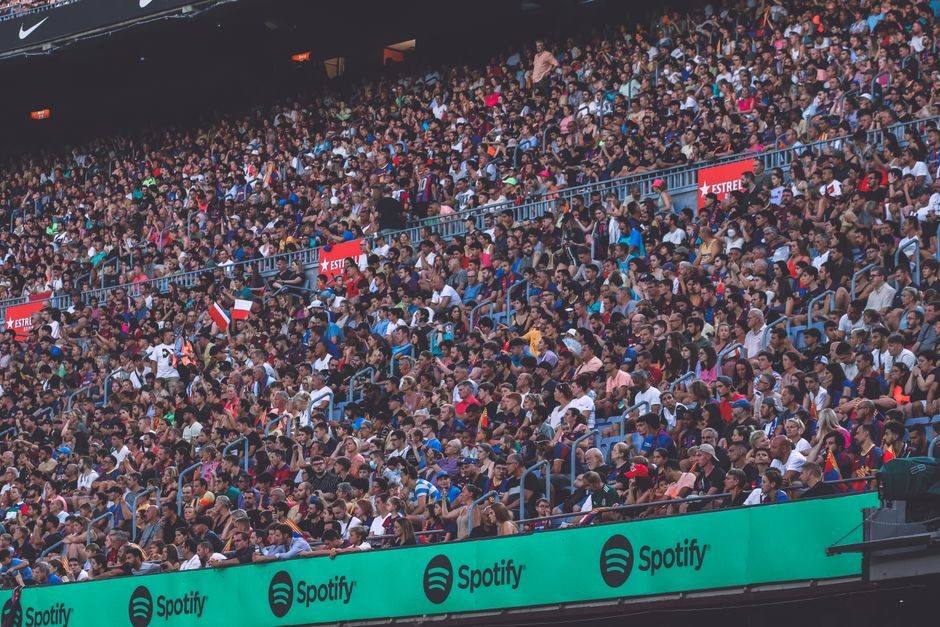
Choose sponsors whose products or services fit the event’s mood. A gaming panel benefits tech or beverage partners; a singer-songwriter night pairs with lifestyle brands. Edinburgh Daily news. A local outlet can amplify your event through a dedicated sponsorship package.
- Identify brands that align with event tone
- Offer clear, tiered sponsorship packages
- Prioritize audience value over mere exposure
Explain why the match matters to attendees, not just to the sponsor. Describe how the brand enhances the experience or creates credibility for the talent.
Offer a few tiered options so sponsors can pick a level that fits their budget and ambition.
- Tiered sponsorship options
- Audience-brand fit
- Story-driven activations
Create compelling package options
Structure packages so sponsors can see value quickly: a headline package, a mid-tier activation, and a base support level. Each should include deliverables like logo placement, social mentions, and on-site presence.
Describe the exact deliverables for each tier, including timing for posts and the number of branded moments during the event.
Include a simple contract-ready outline in the deck to speed negotiations without dragging them into legalese.
- Clear deliverables per tier
- Defined post and on-site exposure
- Contract-friendly language
Approach and outreach
Craft a sponsorship deck
Create a concise, visual deck that tells a story: what the event is, who attends, and what sponsors get. Use a clear one-page summary and a few shows of proof like audience interests or past buzz. list your company in Edinburgh. Position your event as a regional highlight to entice business partners.
Include a realistic timeline for outreach and confirmation, so sponsors know when decisions are made and when activations occur.
End with a direct call to action and contact details that feel approachable rather than formal.
| Option | Pros | Cons |
|---|---|---|
| Tiered packages | Clear choices for sponsors | May require more planning time |
| Activation-heavy | High engagement potential | Costs more to deliver |
| Content-rights focus | Builds long-term relationships | Requires strict rights management |
Direct outreach tactics
Reach out with a tailored email that references the sponsor’s recent campaigns, audience goals, or product launches. Personalization matters more than volume.
Follow up with a short pitch call or video message that demonstrates enthusiasm and a clear plan. Don’t overpromise; offer reliable next steps.
Track responses and adjust your approach based on what resonates, not just what you want to say.
Ask for written commitments on key items such as activation rights and timelines.
Negotiating deals and pitfalls

Negotiation essentials
Know your bottom lines before talks begin: what you need in funding, in-kind support, and deliverables. Clarity prevents stalled discussions. Edinburgh classified ads. Local listings can connect you with small sponsors looking for targeted exposure.
Ask for written commitments on key items such as activation rights and timelines. Verbal agreements can derail a deal when schedules shift.
Be ready to walk away if the terms don’t match the event’s core needs; a firm stance saves time later.
- Set minimum requirements
- Secure written terms
- Be prepared to walk away
Common sponsorship mistakes
Overloading the deck with brands or vague promises dilutes impact. Sponsors want a clear, focused story with measurable outcomes.
Ignoring audience privacy or data rights can create tension post-event. Be explicit about data usage and attendee consent where applicable.
Under-delivering on promised activations ruins trust and makes future partnerships harder.
Implementation timelines
Creating a practical calendar
Begin by mapping your event milestones to sponsor touchpoints, from announcement to post-event recap. This helps you align deliverables with sponsor expectations and keeps outreach timely. Use a simple calendar to track outreach deadlines, deliverables, and approvals so nothing slips through the cracks. Edinburgh obituaries are sometimes mentioned in event program notes when a festival includes memorial moments.
- ☐ Define your event goals and audience profile
- ☐ List potential sponsors aligned to your theme
- ☐ Prepare a one-page media kit and sample asset
- ☐ Set a calendar with clear milestones and owner
Draft a realistic timeline that accounts for sponsor decision cycles and your own production pace. Build in buffer periods for negotiations, contract changes, and last-minute changes to programming. A clean timeline reduces stress and keeps both sides moving smoothly.
Identify the minimum lead time you need to secure a sponsor and confirm commitments before public promotion. This minimizes last-minute scrambles and ensures sponsor assets land in time. If you miss a deadline, communicate promptly and adjust the plan with your sponsor.
- Set a 6–8 week window for initial outreach
- Block time for asset creation and review
- Schedule pre-event check-ins with sponsors
- Plan post-event reporting ahead of release
Measurement and storytelling

Turning metrics into narrative
Collect key numbers that matter to sponsors, like attendance, engagement, and reach across platforms. Translate those numbers into a story about why the event mattered and who benefited. Show, not just tell, how sponsor logos drove meaningful visibility.
Craft a narrative that connects sponsor presence to audience experience, such as backstage access, exclusive screenings, or fan moments. Use quotes from attendees or clips from performances to illustrate impact. Keep the focus on return for the sponsor without overhyping outcomes.
Before sharing results, draft a concise case note that links activity to objectives, such as increased social mentions or ticket uplift. A tight, well-told report makes renewals easier and helps you refine future sponsorships. End with a clear takeaway statement for sponsors.
- Track attendance and demographic data
- Monitor engagement on social and digital assets
- Highlight premium sponsor placements and audience interactions
- Provide a succinct post-event impact summary
Case studies and inspiration
What worked for others
Study a few public, non-branded case examples where events leveraged partnerships effectively. Note how sponsors gained authenticity through relevant activations and genuine storytelling rather than generic logos. Look for tactics that fit your genre and audience.
Analyze which assets were most valuable to sponsors, such as premiere access, on-site branding, or digital shoutouts. Identify which elements could translate to your event without feeling forced. Use these insights to shape your own pitch and package.
Document practical takeaways you can reuse, including asset lists, timelines, and negotiation levers. By building a modular sponsorship kit, you can adapt for different partners and formats while preserving core value.
- Identify a few strong case patterns
- Extract useful asset and timing templates
- Adapt ideas to fit your event’s vibe
- Create a modular sponsorship kit
Emerging formats and formats
New formats appealing to sponsors
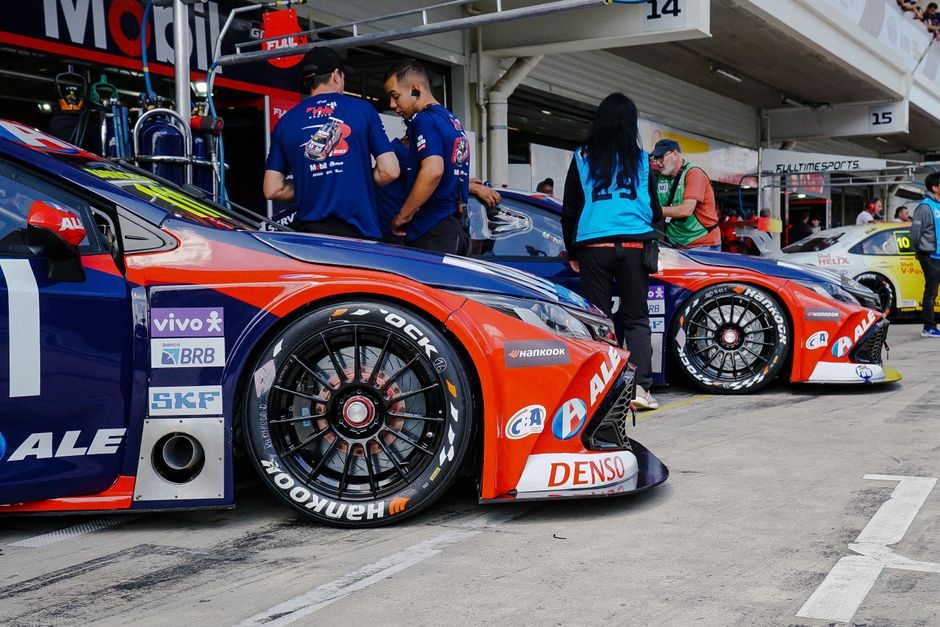
Explore formats beyond banners, such as exclusive interviews, creator-led panels, or limited-edition content linked to the event. These formats offer sponsor relevance and audience value without clutter. They also provide fresh storytelling angles that feel like part of the show.
Consider hybrid or micro-events that bring sponsor presence into smaller, targeted segments. This can lower costs for sponsors while delivering intimate experiences for fans. Use tiered packages to balance reach with exclusivity.
Maintain a flexible approach to formats so sponsors can see potential alignments without forcing a fit. Propose pilot activations that test a concept before scaling it up. The right format often converts hesitancy into commitment.
- Offer exclusive content collaborations
- Create sponsor-led creator panels
- Pilot small-scale activations to test ideas
- Provide tiered sponsorship options
Frequently asked questions
How long should I wait for a sponsor response?Response times vary, but a short, professional follow-up a week after initial contact keeps momentum. If you haven’t heard back after two weeks, send a brief note outlining next steps and any upcoming deadlines. Maintain courtesy and clarity to preserve goodwill.
What assets are most valuable to sponsors?Most sponsors value audience access and measurable impact. Examples include on-site branding that aligns with the event vibe, exclusive consumer experiences, early access to content, and post-event performance metrics. Tailor assets to the sponsor’s objectives rather than generic exposure.
How do I justify a sponsorship to a small event?Show concrete audience value and low-cost activation ideas that still deliver reach. Focus on intimate experiences, like creator-led sessions or behind-the-scenes access, and use a lean asset kit. Emphasize how even modest support helps delivery quality and fan experience.
Is it better to pursue multiple small sponsors or one main sponsor?Both can work. Multiple smaller sponsors can diversify funding and reduce risk, while one main sponsor may bring stronger alignment and bigger resources. Build a core package that appeals to a marquee sponsor, then offer tiered add-ons for smaller partners.
Conclusion
The right sponsorship approach blends clear value for the sponsor with a compelling fan experience. Start with a sharp concept, a tight audience, and a transparent offer, then iterate based on feedback. The result should feel authentic to the event and its fans.
Follow this path: refine your kit, rehearse your pitches, and secure commitments with confidence. Measure early and tell a story that makes sponsors want to renew. With steady preparation, sponsorship becomes a natural extension of the show.
Add Congo News as a preferred source on Google


