
What Is Congolese Culture? Traditions, Languages and Life
Explore Congolese culture across the two Congos through language, family, music, food and faith, with practical ways to understand local differences respectfull

Congolese culture is the diverse mix of languages, family and community life, music, food, faith and customs shaped by people in the Democratic Republic of the Congo and the Republic of the Congo. There is no single way to be Congolese: traditions vary between regions, communities, cities and families, and are continually influenced by everyday life.
The two countries share histories, languages and cultural connections, but they are separate societies with their own regional identities and experiences. Learning a few distinctions—and asking people how they describe their own customs—is a better starting point than treating the Congo River as a boundary between identical cultures.
Use this guide to notice how language signals belonging, how families and communities support daily life, and how music and dance bring people together. It also offers practical reminders for approaching cultural differences with curiosity and respect.
- Congolese culture is diverse, and the DRC and Republic of the Congo should not be treated as one society.
- Language choices reflect region, family, setting and personal history.
- Follow hosts’ cues around greetings, meals, photographs and participation.
- Music and dance connect people while reflecting varied local scenes.
What Congolese culture means across two countries
Start with regional differences
Congolese culture is best understood as a collection of related but distinct ways of life, not one national tradition shared by everyone. The Democratic Republic of the Congo is much larger and includes many communities and regions; the Republic of the Congo has its own histories and local identities. Even within one city, family background can shape customs.
- Identify which country and region an account concerns.
- Check whether a tradition is specific to a community.
- Ask how people describe their own identity.
- Treat individual accounts as perspectives, not universal rules.
The Congo River connects communities, while national borders, colonial histories and local experiences also influence how people identify. A practice familiar in Kinshasa may not be typical in Brazzaville, and customs in either capital may differ from those in provincial towns or rural areas. Treat each example as local unless people tell you it is more widely shared.
When reading about a tradition, check which country and community the account describes. Readers exploring how regional media represent different communities may use MediaKit.uk to identify publications that cover particular places and cultural perspectives. In conversation, a simple question about where someone grew up can help you understand which local context informs their experience.
- Check whether a source means the DRC or Republic of the Congo.
- Look for the region or community behind a cultural example.
- Ask people how they describe their own background.
Understand shared influences
Some cultural connections cross the border, especially through trade, migration, family ties and shared language communities. These links do not make the two countries interchangeable; they show how relationships and ideas can move across national boundaries. The same song, expression or food may carry different meanings depending on who uses it and where.
Urban life also changes how traditions are practised. In cities such as Kinshasa and Brazzaville, people bring regional languages, religious practices and family customs into neighbourhoods shaped by work, education and movement between places. Rural communities have their own varied experiences, so neither city life nor village life should stand in for an entire country.
A useful guide distinguishes what it can describe from what it cannot generalize. Look for named places, communities and speakers, and notice whether an account explains changes over time. This helps readers appreciate shared influences without flattening differences or assuming that every person follows the same custom.
How languages express identity and belonging
Listen for language choice
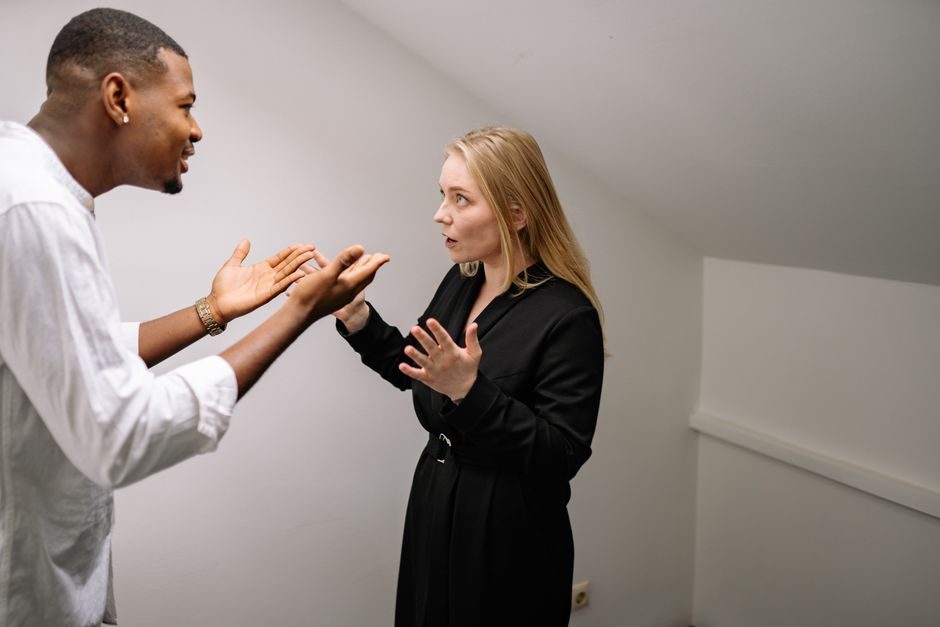
Language choice often reflects where someone is, whom they are speaking with and what they need to communicate. French has an important role in public life in both countries, while national and local languages are used in homes, markets, music and community settings. A person may move between languages during a single conversation.
Lingala is widely associated with communication and popular music in the two Congos, but it is not the only language that matters. Kikongo, Tshiluba and Swahili are among the languages heard in the DRC, while Kituba and other languages have important roles in the Republic of the Congo. Which language is familiar varies by region and personal history.
If a cultural organization wants to explain a language or tradition to new readers, it might consider whether to buy sponsored posts in publications relevant to those audiences. For visitors, learning a greeting in the language used locally can show courtesy, but it is sensible to ask which language a person prefers rather than assume from their nationality.
- Notice which language people use in different settings.
- Ask which language someone prefers for conversation.
- Learn a local greeting before visiting a community.
Respect multilingual identities
Many people’s language identities are layered: they may speak a local language at home, use another in the city and rely on French in school or official settings. These choices can reflect family ties, education, migration and access to public services. They should not be taken as a measure of someone’s education or closeness to their heritage.
Names and pronunciations also deserve care. If you are unsure how to pronounce a person’s name or a place name, ask politely and listen to the answer. Avoid describing a language as a dialect simply because it is unfamiliar; language labels can carry social and political meaning, and local usage is the clearest guide.
For reporting or travel, preserve important words accurately and explain them in context for readers who may not know them. Do not assume that one translation captures every meaning, especially when a phrase depends on humour, respect or a particular relationship. A speaker can help clarify whether an expression is formal, affectionate or appropriate for a given setting.
Family, community and everyday customs
Notice support and obligations
Family and community ties can be central to everyday support, but household arrangements and expectations differ from one family to another. Relatives may share childcare, help with practical needs or gather for important occasions. These responsibilities can extend beyond parents and children, though no single family pattern represents all Congolese people.
- ☐ Greet the host before beginning a conversation.
- ☐ Ask permission before taking photographs.
- ☐ Follow local cues about seating and shoes.
- ☐ Thank your host before leaving.
Community life often brings neighbours, faith groups, associations and extended relatives into contact. A gathering may involve greetings and time to acknowledge people before the main activity begins; arriving and speaking with respect can matter as much as the formal purpose. If an organization is announcing a cultural event, press release distribution uk may help it reach media beyond its immediate community.
For a visitor, follow the host’s cues about greetings, introductions and taking photographs. Ask before photographing people, especially children or a private gathering, and accept a refusal without pressing for an explanation. When invited into a home, check whether shoes should be removed and wait for the host to indicate where to sit.
- Greet the host and other people present.
- Ask before photographing people or private gatherings.
- Follow the host’s cues about shoes and seating.
- Accept an invitation or refusal without pressure.
| Setting | Helpful approach | What to ask |
|---|---|---|
| Home visit | Greet the host and follow their cues | Should I remove my shoes? |
| Shared meal | Ask about the dish and ingredients | How is this usually eaten? |
| Community gathering | Respect introductions and privacy | May I take a photograph? |
| Family celebration | Join only when welcomed | Is it appropriate to participate? |
Approach hospitality thoughtfully
Hospitality can include sharing a meal, offering a drink or making time for a visitor, but the form it takes depends on the people and setting. A polite greeting and attentive conversation are practical ways to show appreciation. Do not assume that every household has the same routines or that an offer must be accepted in one particular way.
Meals bring people together and often reflect local ingredients, family preferences and available produce. Cassava is eaten in various forms, including leaves and flour-based preparations, while fish, rice, plantains and other foods may feature depending on region and household. Ask what a dish is called and how it is eaten rather than treating one menu as representative of the whole country.
If you have a dietary need, explain it clearly and courteously before a meal when possible. Hosts may be able to suggest alternatives, but ingredients and preparation vary, so avoid making assumptions based on a dish’s name. Showing interest in the food and listening to its local description can turn a meal into a useful exchange.
Music is part of social life in both Congos, heard in celebrations, public performances, religious settings and everyday listening.
Music and dance in social life

Hear music in context
Music is part of social life in both Congos, heard in celebrations, public performances, religious settings and everyday listening. Congolese rumba has an influential history, while musicians also work across gospel, hip-hop, dance music and other styles. A genre can connect listeners across borders without erasing differences in language, audience or local scene.
- Congolese music includes many styles and local scenes.
- Lyrics and performance settings shape a song’s meaning.
- Ask before recording or sharing a performance.
A performance is more than a soundtrack: lyrics, rhythm, dress and audience participation can all shape its meaning. Some songs draw on local languages or social experience, while others focus on worship, romance or celebration. When a cultural group is preparing an announcement under a client’s brand, white label press release distribution may suit that communications arrangement.
Before recording a performance, check whether the venue or performers allow it. A short clip can miss the context of a song or the people who made it, so ask permission and identify the performers accurately when sharing material. Listening to the audience as well as the stage can reveal how a performance functions as a shared social event.
- Ask permission before recording performers or audiences.
- Identify performers and context accurately when sharing.
- Listen for language, audience participation and setting.
Join dance with consideration
Dance can be a way to participate in celebration, but movements and expectations vary by event and community. Watch how people take part before joining, especially at a formal or religious occasion. If the setting is relaxed and the host welcomes participation, following the group’s lead is often more appropriate than treating the dance as a performance for visitors.
Clothing, gesture and distance between dancers may carry different meanings across settings. Avoid assuming that a movement is merely entertainment or that everyone present wants to be filmed. If you are unsure whether an action is welcome, pause and ask someone hosting the event; a respectful question is better than guessing.
Music and dance also change as people bring new sounds and styles into local scenes. Young audiences may follow contemporary performers alongside older musical traditions, while family celebrations can mix several generations’ preferences. This variety is one reason to ask people what they are listening to rather than relying on a single familiar genre as shorthand for Congolese culture.
Food traditions and shared meals
Meals Built Around Sharing
Congolese meals often bring people together around a shared dish, though ingredients and customs vary by household and region. Cassava, plantain, rice, maize and beans appear in different combinations, alongside vegetables, fish or meat. Asking what is being served is a simple way to learn how a particular family prepares and names its food.
- Mistake: treating one dish as national cuisine; better approach: ask which region or family tradition it represents.
- Mistake: assuming every meal is eaten by hand; better approach: follow the host’s example.
- Mistake: refusing food without explanation; better approach: state a dietary need courteously.
Cassava is prepared in several forms, including flour-based fufu and leaves cooked as a dish; names and recipes differ across languages and places. A meal may include a starch served with a stew or sauce, so guests can take a portion and combine flavors. Do not assume one recipe represents either country or every community.
When invited to eat, follow the host’s lead on where to sit, when to begin and how food is served. Some households eat communally, while others use individual plates or utensils. If you have a dietary restriction, explain it politely before the meal rather than rejecting a dish without context.
Ingredients and Regional Variation
Local markets offer a practical introduction to the ingredients people use, but what is available changes with location, season and supply. You may see cassava, plantains, leafy greens, groundnuts, smoked fish or fresh produce arranged for everyday cooking. Ask vendors how an unfamiliar ingredient is prepared instead of assuming its use from appearance alone.
Food traditions reflect both local agriculture and exchange across communities, so neighboring households may prepare familiar ingredients in distinct ways. A sauce might differ in texture, seasoning or accompanying starch, even when people use the same name for it. Listening to how cooks describe a dish can reveal more than looking for a single standard recipe.
For visitors, the safest way to try unfamiliar food is to ask about ingredients and preparation, especially if allergies or health needs matter. At a community gathering, wait for someone to explain the serving arrangement before helping yourself. A gracious question shows interest while giving hosts room to describe their own customs.
Faith, ceremony and cultural practice
Faith in Daily Life
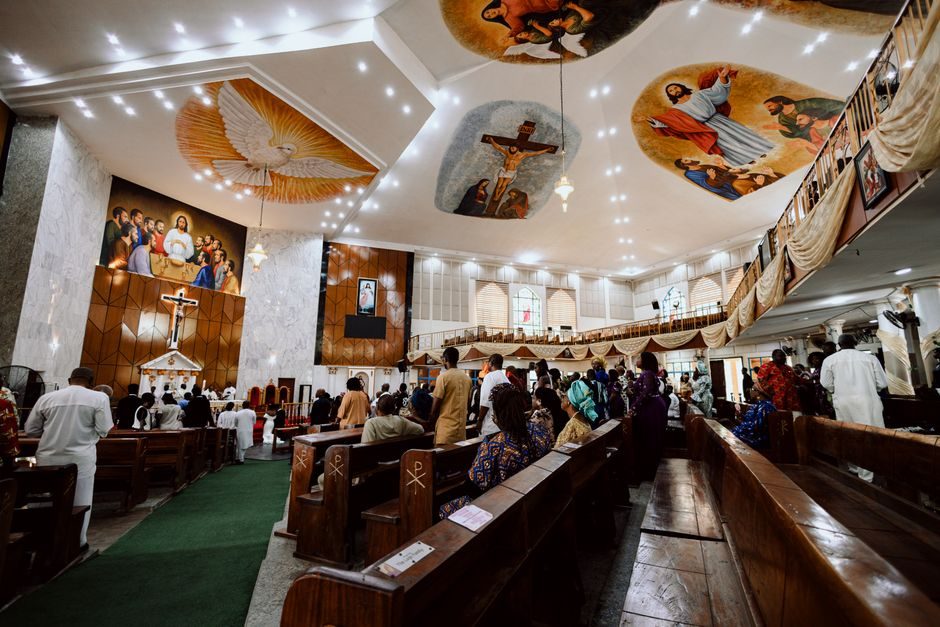
Christian traditions are prominent in many communities in both Congos, while other faiths and customary practices also shape people’s lives. Belief is personal, and neighbors may differ in how they worship or observe important occasions. Ask individuals how they describe their own faith rather than assigning an identity based on their location or family.
Church gatherings can combine prayer, preaching, singing and community support, with styles that vary among congregations. Some services are formal, while others feature lively participation and music; visitors should follow local cues about standing, speaking or taking photographs. If you are unsure whether guests may join a ritual, ask an organizer beforehand.
Ceremonies marking births, marriages, mourning or other transitions may bring relatives and neighbors together, but their forms are not uniform. The family or community hosting an event sets expectations for dress, attendance and participation. A respectful visitor listens to instructions, avoids treating solemn moments as performances and asks permission before recording people.
Ceremony and Community Support
Ceremonies often connect personal milestones with wider networks of kin and community, though each family decides which customs matter to them. An invitation does not automatically mean that every part of an event is open to visitors. Confirm where to sit, whether a contribution is expected and which moments should remain private.
Faith groups and community associations may organize practical support as well as worship or ceremony. Their activities can include visiting people who are ill, helping families during bereavement or gathering for local needs. These roles vary, so it is better to ask members about their group’s work than to assume every organization follows the same model.
Organizations sharing cultural programming may need help reaching audiences; an seo agency directory can help them look for marketing support while planning public communications. Keep any outreach clear about who is hosting an event, what visitors can expect and whether registration is required. Accurate details help audiences participate without misrepresenting the community behind the program.
Ways communities share culture with wider audiences
Stories Through Performance
Music, dance, theatre and spoken storytelling let communities share history and contemporary concerns with audiences at home and abroad. Performances may draw on particular languages, places or experiences, so a short introduction from the artists can help viewers understand the context. Treat performers as storytellers with their own choices, not as representatives of every Congolese person.
Community festivals, school programs, cultural centers and local media can all make performances accessible beyond their original setting. When attending, check whether the event welcomes photography and whether performers have set rules for recording or sharing clips. Credit the artists and organizers when you discuss their work, and avoid presenting a brief performance as a complete account of a tradition.
A group sharing a story about music or dance could explore guest posting services uk to place explanatory writing with an interested readership. The article should identify the community and artists involved, explain the performance’s context and distinguish personal experience from broader claims. That care makes cultural coverage more informative for readers who cannot attend in person.
Sharing Culture With Context
Cultural groups can make their work easier to understand by explaining the language, occasion and people behind a song, dance or exhibition. A short program note or conversation with participants gives audiences context without claiming that one account is definitive. Where a story belongs to a specific family or community, ask who can speak for it.
Digital posts and recordings can reach people far from an event, but they may lose important context when separated from their source. Before publishing an image or clip, confirm permission and retain the names or descriptions supplied by the people involved. Explain what viewers are seeing, and avoid captions that turn a complex practice into an exotic curiosity.
Schools, journalists and cultural organizations can invite local participants to explain their own work, while making clear how their contributions will be used. Offer translation where needed and allow speakers to correct descriptions of their words or customs. These steps help audiences learn from living communities rather than relying on broad labels or outdated summaries.
Tips for approaching cultural differences respectfully
Ask Before Making Assumptions
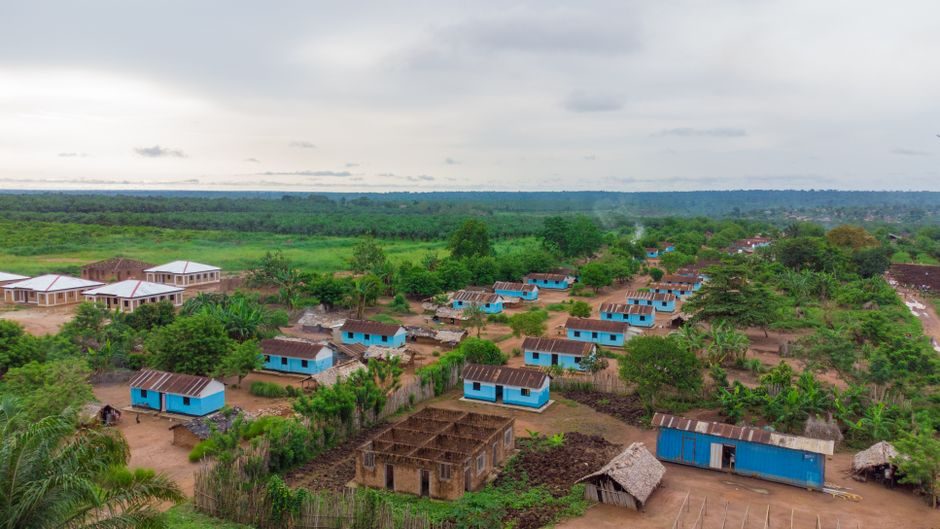
Start with the person or community in front of you, because customs can differ between families, cities and regions. Ask open questions such as how an occasion is observed or what a particular word means. Avoid treating a single answer as a rule for everyone, and listen when people describe differences within their own community.
Use the names people choose for their language, community or country, and ask for clarification when terms are unfamiliar. The two Congos are distinct countries with different histories and institutions, even as people share connections across borders. Being precise about location prevents confusion in conversation, reporting and travel planning.
At an event, follow instructions about clothing, seating, photographs and participation rather than guessing what is acceptable. If no guidance is available, ask a host quietly before acting. When someone declines to answer or be photographed, accept that boundary without pressing for a reason or making the moment awkward.
- Ask how a custom is understood locally.
- Check permission before taking or sharing photographs.
- Use the community’s preferred names and language labels.
- Accept corrections without arguing.
Listen and Represent Fairly
When describing a cultural practice, say who shared the information and where it applies instead of presenting it as universal. Distinguish a personal account from a community-wide practice, and check unfamiliar terms with the people who use them. This approach makes explanations more accurate and gives readers a clearer sense of variation.
If you make a mistake, correct it directly and update any material that could mislead others. A brief apology and a clear correction are more useful than defending a generalization. When translating someone’s words, preserve their intended meaning and explain uncertainty rather than presenting a rough translation as exact.
Respect also means recognizing that communities change and that younger and older people may describe customs differently. Do not frame current practices as less authentic because they adapt to urban life, migration or new forms of communication. Ask how people themselves understand those changes, and let their answers complicate your first impression.
Frequently asked questions
Are the Democratic Republic of the Congo and the Republic of the Congo the same country?No. They are separate neighboring countries, with different governments, histories and national institutions. The Democratic Republic of the Congo has its capital in Kinshasa, and the Republic of the Congo has its capital in Brazzaville, across the Congo River. People in both countries may share cultural connections, but it is important to identify which country, city or community you mean.
Which language should a visitor learn first?The most useful language depends on where you are going and whom you will meet. French is widely used in public life in both countries, while Lingala, Kikongo, Swahili, Tshiluba and other languages are important in particular communities and areas. Learn a few polite greetings relevant to your destination, and ask local people which language is most useful for everyday conversation.
Can one dish or song represent Congolese culture?No single dish or song can stand for all the communities and experiences in both countries. A recipe or performance may be closely connected to a particular family, region, language or occasion. It is more accurate to name that context and describe what you learned from the people involved than to label one example as universally Congolese.
What should I do if I am unsure about a local custom?Ask a host or community member politely before participating, taking photographs or sharing a recording. Keep the question specific, such as whether guests may join a ceremony or where visitors should sit. Follow the answer without treating it as a rule for every other setting. If someone is uncomfortable, respect their boundary and move on.
A Curious and Respectful Starting Point
Congolese cultures are best understood through the people and places that give them meaning. Languages, meals, family relationships, music and faith can connect communities, while practices still differ between the two countries and within each one. A useful guide offers context, names its limits and lets people describe their own experiences rather than reducing them to a single national portrait.
For a practical next step, choose one community, city or cultural event you want to understand and learn from local voices connected to it. Check the language and customs relevant to that setting, ask permission before recording, and be ready to revise your assumptions. Specific questions and careful listening will teach you more than searching for one definition that fits everyone.

Add Congo News as a preferred source on Google


