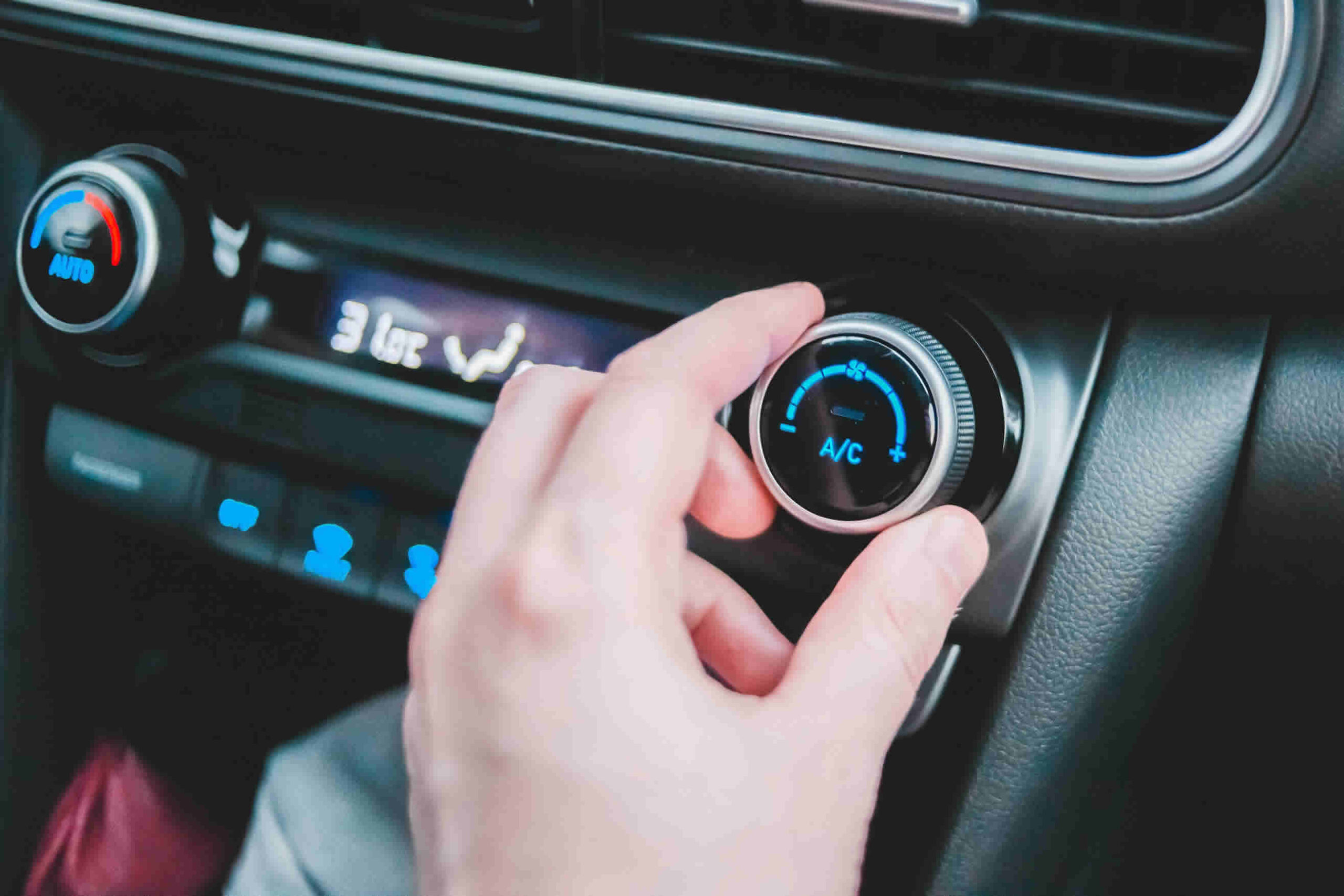
The Volkswagen Golf 7 has long been celebrated for its balanced performance, combining efficiency, agility, and reliability. The Golf 7.5 facelift, introduced in 2017, further refined engine options, offered upgraded performance variants, and enhanced driving experience, all while integrating modern cabin technologies such as the Digital Touch Climate Control For Golf 7/7.5. This article explores the engine lineup, performance trims, and the driving characteristics of the Golf 7.5, emphasizing how its climate control systems complement the overall experience.
The Golf 7.5 offers a wide range of engine options to suit different driving needs. Entry-level petrol variants feature a 1.0 TSI three-cylinder engine producing 85–115 horsepower, delivering excellent fuel efficiency and smooth city driving. The 1.5 TSI Evo engine, available in 130–150 horsepower trims, includes Active Cylinder Management that deactivates cylinders during light load, optimizing fuel consumption. Diesel engines such as the 1.6 TDI and 2.0 TDI provide high torque for effortless highway driving while maintaining low fuel consumption. The Digital Climate Control for Golf 7 ensures that the cabin remains comfortable regardless of engine output, maintaining a stable temperature during stop-and-go traffic or highway cruising. Multi-zone Golf 7 Climate Control Settings allow personalized comfort for all passengers.
Performance-oriented variants elevate the driving experience. The Golf GTI, with a 2.0 TSI engine producing 230–245 horsepower, combines rapid acceleration with precise handling. The Golf R, producing 310 horsepower, offers all-wheel drive and sport-tuned suspension for high-performance driving. These trims include sport-specific features such as adaptive suspension, dynamic steering, and upgraded brakes. The Touch Climate Control for Golf 7 maintains cabin comfort even during aggressive driving, allowing the driver to focus on performance while passengers enjoy consistent temperature and airflow. Reviews in Golf 7 Digital AC Reviews highlight how effective climate control is in keeping interior conditions stable under high-performance scenarios.
Hybrid and electric variants, including the Golf GTE and e-Golf, bring eco-friendly performance to the lineup. The GTE combines a 1.4 TSI petrol engine with an electric motor, providing rapid acceleration and an electric-only range for city driving. The e-Golf is fully electric, offering smooth and silent operation with instant torque delivery. The Digital Touch Climate Control For Golf 7/7.5 integrates with these powertrains, allowing preconditioning of the cabin while charging, minimizing battery drain while maintaining passenger comfort. Golf 7.5 Climate Control Features such as intelligent airflow distribution and automatic fan adjustment ensure that efficiency does not compromise comfort.
Driving dynamics in the Golf 7.5 are among its most praised attributes. The chassis and suspension are tuned to balance comfort and handling. Front MacPherson struts and rear multi-link suspension provide stability, minimal body roll, and responsive feedback. Performance trims include adaptive damping, allowing drivers to select between comfort, normal, and sport modes. The VW Golf AC Panel Settings ensure that cabin airflow is optimized regardless of driving mode, maintaining a comfortable environment even during spirited cornering or high-speed cruising.
Transmission options enhance the driving experience. Entry-level and mid-range models use a 6-speed manual or a 7-speed DSG dual-clutch automatic, offering smooth shifts and quick response. Performance variants exclusively offer the DSG option for rapid gear changes and sportier driving. Hybrid and electric models feature regenerative braking integrated with the Digital Climate Control for Golf 7, allowing energy-efficient driving without sacrificing comfort. The Golf 7 Climate Control Settings can automatically adjust fan speed and temperature, ensuring that the cabin remains pleasant under all driving conditions.
Steering and handling contribute significantly to the Golf 7.5’s driving pleasure. Electric power-assisted steering provides precision at low speeds and stability at higher velocities. Performance trims benefit from progressive steering, improving agility in city traffic and confidence on winding roads. The Touch Climate Control for Golf 7 complements this by maintaining consistent cabin conditions, reducing driver distraction and fatigue. Passengers enjoy stable temperatures and adjustable airflow thanks to the Golf 7.5 Climate Control Features, which balance comfort with driving dynamics.
Fuel efficiency is enhanced through intelligent engine management and climate control integration. TSI engines feature turbocharging and direct injection for optimal performance with reduced fuel consumption. Diesel engines provide efficient torque delivery for long-distance cruising. Hybrid and electric variants integrate preconditioning with climate control, optimizing battery usage while keeping passengers comfortable. The Golf 7 Digital AC Reviews often highlight how the system maintains ideal temperatures without excessive energy use, proving its value in both conventional and electrified models.
Safety and comfort are intertwined in the Golf 7.5. Climate control systems contribute to visibility and passenger well-being by preventing fogging, maintaining consistent cabin temperatures, and managing airflow intelligently. The VW Golf AC Panel Settings allow easy adjustment for driver and passenger zones, enhancing comfort during long trips or variable weather. Multi-zone capabilities ensure that all occupants benefit from personalized settings, complementing safety features such as Lane Assist, Front Assist, and Adaptive Cruise Control.
In conclusion, the Golf 7.5 offers a versatile engine lineup, advanced performance variants, and a driving experience that balances agility, comfort, and efficiency. The Digital Climate Control for Golf 7, Touch Climate Control for Golf 7, and Golf 7.5 Climate Control Features play a key role in maintaining cabin comfort across all driving conditions and powertrains. Multi-zone climate control and intuitive VW Golf AC Panel Settings allow precise management of airflow and temperature, while Golf 7 Digital AC Reviews highlight the system’s effectiveness in maintaining a stable interior environment.
Whether choosing an entry-level petrol, efficient diesel, high-performance GTI or Golf R, or an eco-friendly hybrid or electric variant, the Golf 7.5 delivers a well-rounded and enjoyable driving experience. Its engine options, driving dynamics, and integrated climate control systems ensure that both drivers and passengers experience comfort, efficiency, and performance. The Digital Touch Climate Control For Golf 7/7.5 exemplifies Volkswagen’s commitment to integrating technology with practical comfort, making the Golf 7.5 a benchmark in the compact hatchback segment.