
DR Congo vs England: How to Read the Matchup
A practical guide to comparing DR Congo and England, from playing styles and squad strengths to the tactical choices and match conditions that matter.

A DR Congo–England matchup is best read through the teams’ current personnel, tactical choices and the conditions of the game, not reputation alone. England may offer depth and experience across positions, while DR Congo can bring pace, physical presence and attacking threat. The actual balance depends on the selected players, preparation, venue and how each side handles the other’s strengths.
There is no assumed fixture or confirmed lineup in this guide. Instead, it sets out a fair way to compare the national teams, identify likely points of contrast and spot the tactical details that could shift a game.
For Congolese supporters, the key is to judge what happens on the pitch: how DR Congo progresses the ball, protects space and reacts when England presses. Those details offer a more useful picture than historic reputation or a predicted score.
- Compare confirmed squads and match context rather than relying on reputation.
- Judge each side’s build-up, pressing, transitions and set pieces separately.
- DR Congo can threaten open space when forward runs have close support.
- Lineups, venue and match conditions can change the tactical picture.
The teams and what a matchup tells you
A comparison, not a prediction
A matchup guide compares what each side could bring; it cannot confirm how an unannounced or future fixture will unfold. DR Congo and England have different player pools, football contexts and recent paths to assess, so first check the date, competition and available squad information. Without those details, claims about a likely lineup or result are speculation.
- A matchup guide identifies questions to watch, not a guaranteed result.
- Squad availability and venue can change the tactical picture.
- Judge both teams by their choices during the game.
The names on the team sheet matter because national sides gather for limited preparation time. A coach may select players who suit a particular opponent, while injuries, eligibility and club commitments can alter the options. For fans, a confirmed squad and starting lineup are stronger evidence than familiar names remembered from an earlier tournament.
A matchup can still clarify the questions to watch: Can DR Congo play through pressure? Can England contain transitions after losing possession? The answers depend on decisions made in the game, not on a fixed hierarchy between the countries. If following DR Congo means travelling via Turkey, anlık döviz fiyatları can help a fan check exchange information before planning trip expenses.
- Check the competition and venue.
- Use confirmed squad news.
- Separate tactical possibilities from predictions.
Different football contexts
International teams are shaped by the players available to them and the time they have together. England can draw on a broad pool of players from a highly followed domestic league, while DR Congo’s squad includes players with varied club and development backgrounds. These broad contexts do not, by themselves, establish which team will perform better.
For DR Congo, familiarity among selected players can be as important as individual quality. A settled core may coordinate pressing and defensive cover more smoothly than a group assembled around several new call-ups. England faces the same general challenge: selection changes can affect combinations, even when replacements have strong club experience.
Supporters should distinguish national-team identity from the form of one or two individuals. Club roles can differ from international duties, and a player asked to defend more cautiously may show less attacking output than usual. Read the coach’s selection and the team’s shape together before deciding what the squad is designed to do.
How to compare international sides fairly
Use the same yardsticks
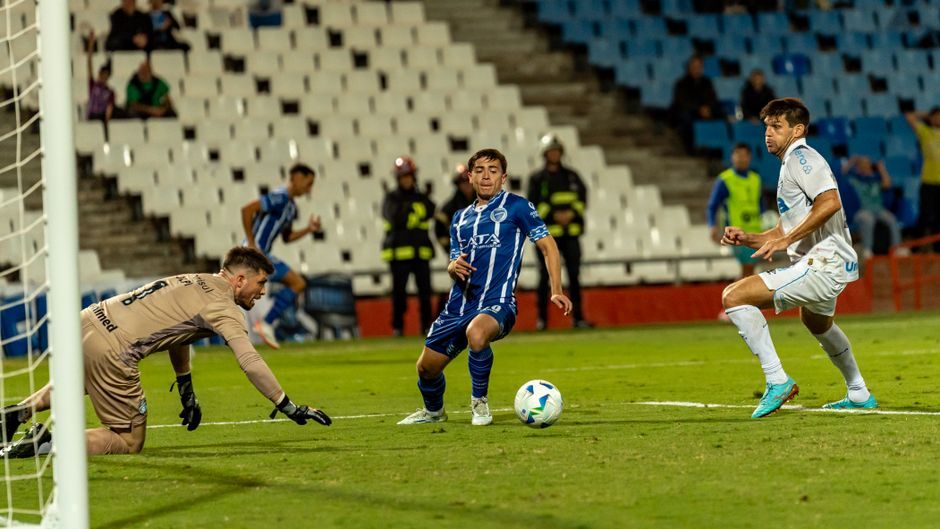
Compare both teams against the same questions: how reliably they create chances, defend their own penalty area and respond to pressure. Looking only at possession or a single recent score can distort the picture, because those figures depend on the opponent and match situation. Consider performance patterns alongside the quality and availability of the players involved.
Recent form is most useful when its context is clear. A result against a deep defensive block tests different skills from a match against a side that presses high, while a friendly may involve more substitutions than a competitive fixture. Compare like with like, and avoid treating a short run of games as proof of a permanent strength or weakness.
A practical comparison also separates attack, defence and transitions. Ask whether a team can progress the ball, recover its shape after losing it and create danger from set pieces. For supporters comparing the cost of a trip through Turkey, euro TL döviz çevirici can help estimate a euro amount in lira.
- Compare opponents and match contexts.
- Check squad availability before judging form.
- Assess attack, defence and transitions separately.
Read form with context
A team’s recent results can reveal tendencies, but they do not provide a direct forecast. Look at whether chances came from open play, set pieces or opponent errors, and whether the defence faced sustained pressure. These details help explain a result more clearly than the scoreline alone.
The level and style of recent opponents matter when comparing international sides. A defence tested by repeated crosses may be prepared for a different challenge from one that has mostly faced attacks through the middle. Likewise, a team’s scoring record says little about its ability to break down a compact opponent unless the match footage supports that reading.
Use a simple evidence order: confirmed team news, recent match patterns, then broader reputation. If those sources point in different directions, describe the uncertainty rather than forcing a firm conclusion. This approach is fair to both national teams and gives readers a clearer basis for judging what they see.
Playing styles and likely points of contrast
How each side builds
The first useful contrast is how the teams try to move the ball into attacking areas. One side may build patiently through short passes, while the other looks earlier for a forward run or a switch into space. Neither approach is automatically superior; the fit depends on pressing pressure, available passing lanes and the players selected.
Watch the first pass after a goalkeeper or centre-back receives the ball. If England presses with several players, DR Congo may seek a direct outlet to bypass the first line; if space opens behind that press, a forward run can turn a clearance into an attack. England’s response might be to press selectively or keep more players behind the ball.
A team can also change its route during a match. When central passing lanes close, wide combinations and overlapping full-backs may offer another way forward; when the flanks are crowded, a pass inside can create room elsewhere. Focus on whether the choice advances play safely, rather than assuming one preferred style will remain constant.
| Approach | What to watch | Main trade-off |
|---|---|---|
| Short build-up | Passing options near the ball | Can invite pressure |
| Direct outlet | Forward runs and second balls | Possession may be lost quickly |
| Wide combination | Overlaps and crossing lanes | Can leave space behind |
| Switch of play | Open space on the far side | Needs accurate delivery |
Pressing, space and transitions
The space behind a pressing line can become a major point of contrast. A high press may force hurried passes and win the ball near goal, but it also leaves room for a well-timed pass beyond the front players. The team in possession must judge whether to play through, around or over that pressure.
Transitions begin the moment possession changes, so the nearest players’ reactions matter. DR Congo can look to attack quickly if England has committed players forward, while England can seek the same opening when DR Congo loses the ball during a move. Defensive cover and the first pass after a turnover often determine whether danger develops.
Set pieces provide a separate test because they reward delivery, movement and organised marking rather than open-field build-up. Corners and free kicks can let either team threaten without controlling possession for long spells. Watch who attacks the near post, who protects the goalkeeper and whether defenders track runners or hold their positions.
- Notice where the press begins.
- Track the first pass after turnovers.
- Watch marking and movement at set pieces.
DR Congo can make an impact by reaching open space quickly when an opponent’s shape is stretched.
Where DR Congo can make an impact
Turn space into threat
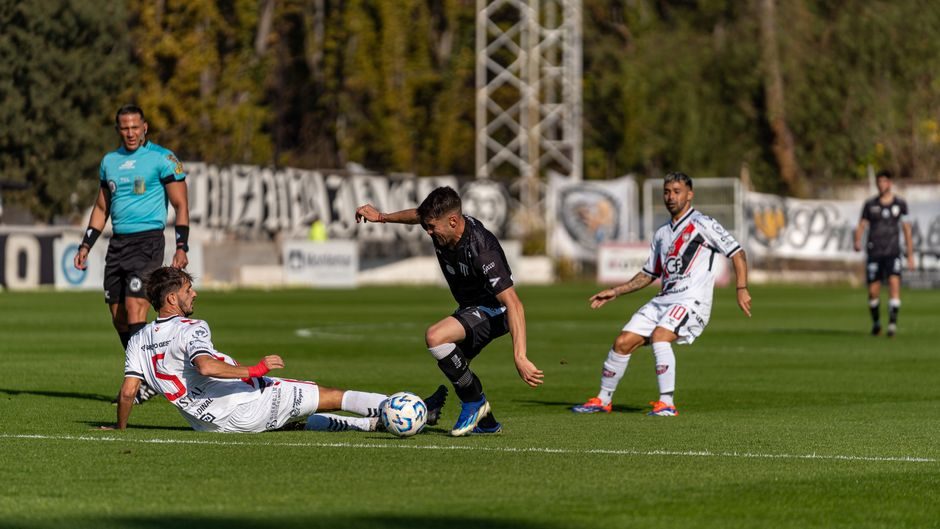
DR Congo can make an impact by reaching open space quickly when an opponent’s shape is stretched. Fast forward runs are most useful when the ball carrier has a clear passing option and teammates support the attack, rather than when one player is left isolated. A successful transition can force England to defend facing its own goal.
- ☐ Watch for forward runs after a turnover.
- ☐ Check whether midfielders support the attack.
- ☐ Look for a second route when the first is blocked.
- ☐ Note whether defensive cover remains behind the ball.
The timing of a forward pass matters as much as its distance. If a runner moves too early, the defence can step up and close the route; if the pass arrives after the gap disappears, the attack slows. Watch whether DR Congo’s midfielders move forward in support and whether wide players offer an outlet beyond the first defender.
When England keeps its shape, DR Congo may need patience instead of repeated direct balls. Changing the point of attack, combining near the touchline or drawing a defender out can open a route into the box. The important sign is whether the team can create a second option after its first forward move is blocked.
- Look for support around the first runner.
- Check whether wide outlets are available.
- Notice how the team responds when a route closes.
Win the key duels
Individual duels can shape the game when a team’s broader plan is closely matched. A winger trying to beat a full-back, a striker contesting a long ball or a midfielder receiving under pressure may determine whether DR Congo can keep an attack alive. These moments matter most when teammates are close enough to collect a loose ball.
Physical presence can help in aerial contests and at set pieces, but it needs organised support. A first contact is only useful if a teammate can win the second ball or turn it toward goal. England may try to reduce that threat by contesting the delivery early, protecting central space and clearing decisively.
The venue and match conditions can also affect the contest, without dictating its outcome. A slick surface may make quick combinations easier but can complicate control, while crowd support can lift a side without guaranteeing chances. Judge DR Congo’s impact by the quality of its decisions, cover and execution as well as its energy.
What can complicate a team comparison
Context Behind the Numbers
A comparison can mislead when it treats every international result as evidence of the same team strength. Opponents, venue, tournament stakes and time available to prepare all affect performance, so a narrow win over a strong side may tell more than a large score against a weaker one.
Squad availability also changes what a result means. A team missing a starting goalkeeper or several attacking players may use a different shape, while a side with its first-choice group can show patterns that are not available in every match.
For a fair reading, check the date and setting of each result before comparing form. If travel arrangements involve expenses in Turkey, checking bugün dolar kaç TL can help fans understand the conversion before budgeting, but it does not explain either team's football.
Squad Changes and Roles
A player’s club reputation does not automatically show how well that player fits an international role. National coaches may ask a forward to press more, a midfielder to protect the fullbacks or a defender to begin attacks, changing the value of familiar strengths.
Selection can also affect balance between positions. If a team has several players who prefer the same attacking area, the coach must decide whether to adapt their roles or choose a more complementary combination.
When lineups are confirmed, compare responsibilities rather than names alone. Look at who is expected to progress the ball, cover wide spaces and lead the press; those tasks explain how the team may function better than a list of players.
How to follow the teams and plan travel
Track Reliable Team Updates
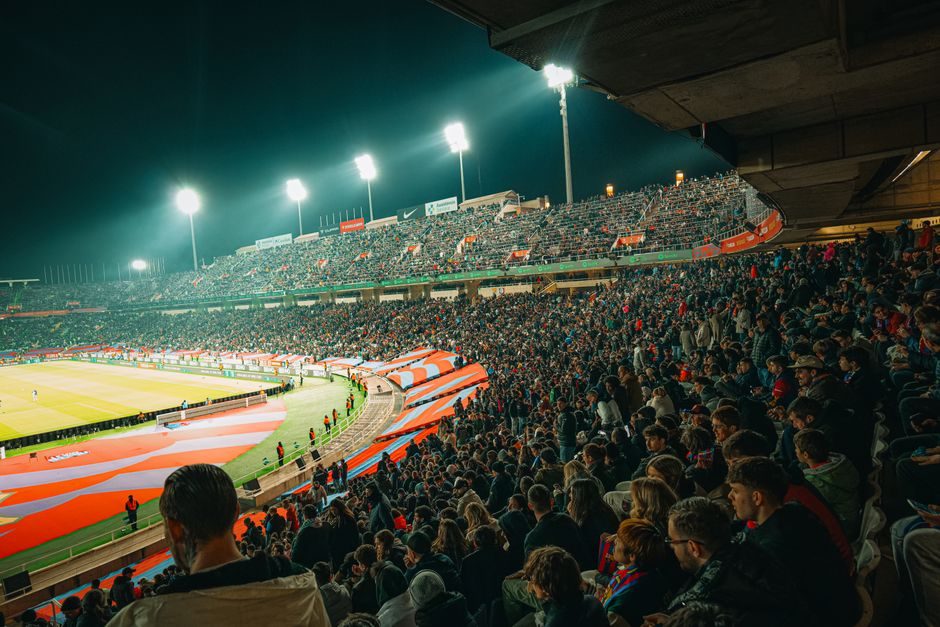
Follow official team and competition channels for confirmed squad announcements, kickoff details and venue changes. A reported selection is not final until the relevant team or organizer confirms it, and early speculation can leave fans planning around a player who is not available.
- Confirm the fixture and venue with the organizer.
- Check the latest kickoff time and entry rules.
- Arrange transport and accommodation around confirmed details.
- Save tickets and travel records for offline access.
Check news close to match day as well as when the fixture is first announced. International schedules can change, and travel plans may depend on the final venue, kickoff time or entry arrangements rather than the original listing.
Keep the match information and travel documents together in a format you can reach without an internet connection. Save the confirmed fixture details, ticket information and relevant transport or accommodation records, then check each against the latest official update before departure.
Build a Flexible Travel Plan
Choose travel arrangements that leave room for delays, especially when a connection or long journey leads directly to the stadium. A buffer gives you time to handle traffic, ticket checks or a change in local transport without missing the opening minutes.
Before setting out, check how the venue can be reached and where visitors are expected to enter. Stadium access may depend on the ticket category, and the nearest stop is not always the most practical route on a busy match day.
Plan a return route before the final whistle rather than relying on finding transport afterward. Keep essential contact details and the address of your accommodation available, and share your itinerary with someone who can reach you if plans change.
Practical checks before an away match
Confirm Entry Requirements
Check the ticket terms and stadium rules before travelling, because entry conditions can differ by venue and event. Confirm which gate to use, whether a ticket must be shown on a phone or printed, and what items spectators may bring inside.
Review any travel documentation requirements through current official government guidance, not an old post or an informal discussion. Requirements can depend on the traveller’s nationality, route and circumstances, so a general answer may not apply to everyone in the same group.
A useful final check is to compare the name on the ticket with the identity document you expect to carry. If the organizer specifies a particular entry procedure or identification standard, follow that instruction and resolve questions before leaving for the venue.
Prepare for Match-Day Changes
Keep your route adaptable in case traffic, weather or crowd controls affect the journey. Check local updates before departure and avoid assuming that a route used on an ordinary day will work as quickly when thousands of spectators are arriving.
Carry only what you need for the journey and the stadium’s stated entry rules. A light bag makes security checks easier, while keeping tickets, identification and essential contact details accessible reduces the chance of searching through luggage at the gate.
Agree on a meeting point with anyone attending alongside you, especially if mobile coverage becomes unreliable in a crowd. Choose a specific location outside the busiest entrance area, and decide what to do if one person is delayed or exits through another gate.
Tips for reading the game as a fan
Watch the Space Between Lines
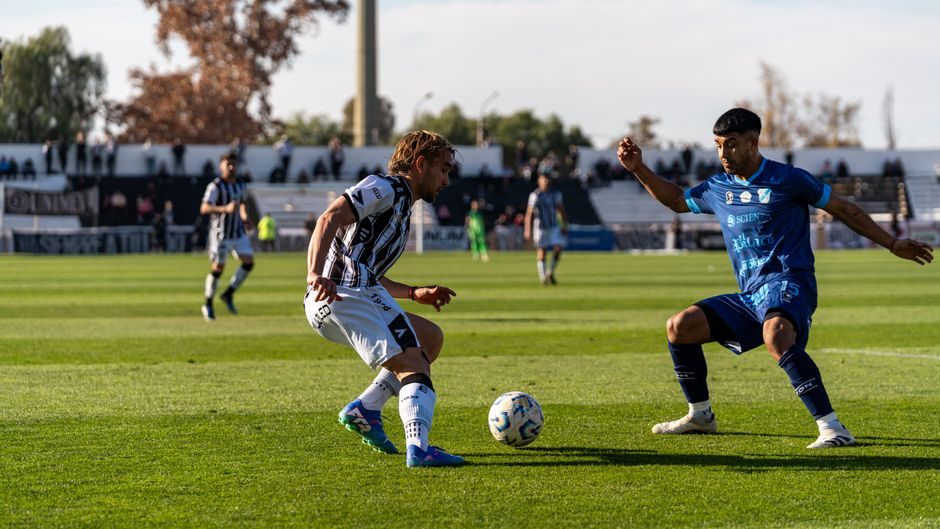
Watch how each side uses the space between midfield and defence, because it often reveals whether a team can progress attacks under pressure. Notice whether a player receives facing forward, has to turn away from goal or is quickly closed down by an opponent.
The first few minutes can show how the teams intend to press, but keep checking as the game develops. If one side begins to bypass midfield with longer passes, the change may be a response to pressure rather than its original plan.
Compare the off-ball movement with the player on the ball. A forward’s run can pull a defender away and create room for a teammate, while a midfielder who stays close may offer a safe passing option when an attack slows.
Read Changes After the Break
Use the second half to see whether either coach has adjusted to the match’s main problem. A fullback may stay deeper to limit a counterattack, or a midfielder may move closer to the forwards to help the team play through pressure.
Substitutions can change more than the individual player involved. A fresh winger may stretch the defence, while a more defensive replacement can signal that a team wants to protect a lead; judge the change by the role and the team's shape afterward.
Keep track of whether the adjustment produces a visible effect, such as more successful entries into the penalty area or fewer gaps behind the defence. That gives a clearer reading than assuming a tactical change worked simply because it was made.
Frequently asked questions
Is DR Congo the same team as the Republic of the Congo?No. DR Congo and the Republic of the Congo are separate countries, each with its own national football team. DR Congo is also called the Democratic Republic of the Congo, and its team is commonly known as the Leopards. Check the full country name in a fixture listing so you follow the intended team and match.
How can I tell whether a DR Congo versus England fixture is confirmed?Look for the match on an official competition or federation schedule, then confirm the venue and kickoff time through the organizer’s latest notice. A fixture mentioned in a preview or circulating online may still be proposed, moved or subject to confirmation. Check again near match day in case details have changed.
What should I look for in the confirmed lineups?Start with the players’ roles, not just their names. Check who is playing in central midfield, who provides width and whether the forwards are positioned to press or stay ready for counterattacks. Also notice missing starters and changes to the defensive pairing, since these can alter how confidently a team builds from the back.
Why might a team look different from one international match to another?International teams have limited time to train together, and player availability can vary between gatherings. The opponent, venue and match objective also affect the approach: a team may press high in one game and defend more cautiously in another. Compare repeated patterns across matches, while allowing for those changes in personnel and context.
A Clearer Way to Watch DR Congo vs England
A useful comparison of DR Congo and England starts with context: who is available, what roles they fill and how the match is being played. Results and reputations can offer clues, but the way each side handles pressure, creates space and adjusts after the break gives fans stronger evidence about the contest unfolding in front of them.
Before following a fixture, confirm that it is official and check the latest venue, kickoff and lineup information. Then watch a few repeatable details, such as how each team advances the ball and protects space behind its defence. Those observations make the game easier to understand without relying on assumptions about a particular lineup or outcome.
Add Congo News as a preferred source on Google


